
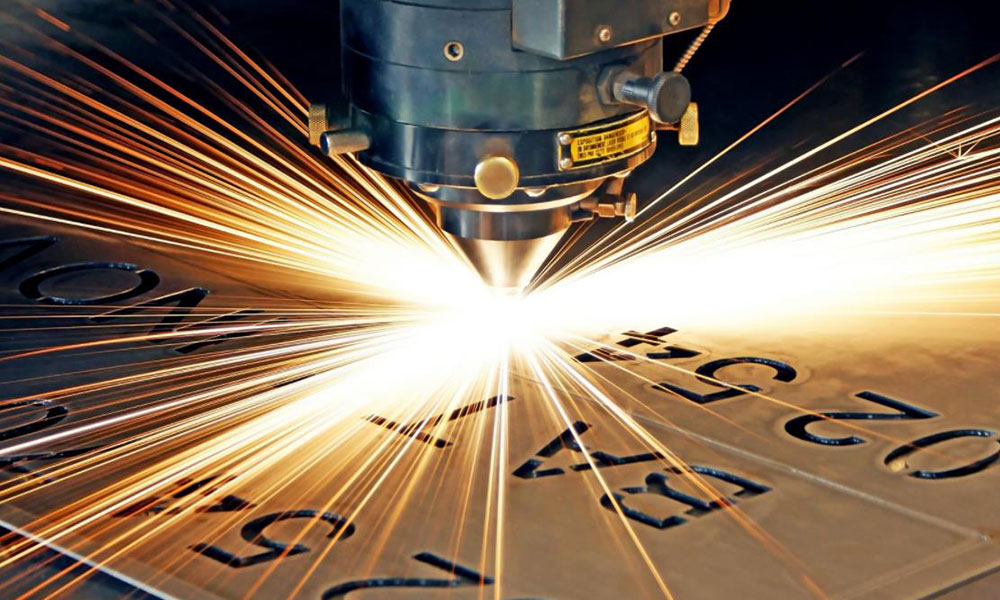
We provide customers with fast and high-quality stainless steel cutting services
The processed product does not require further edge optimization, which greatly improves the customer's production efficiency and reduces production costs.
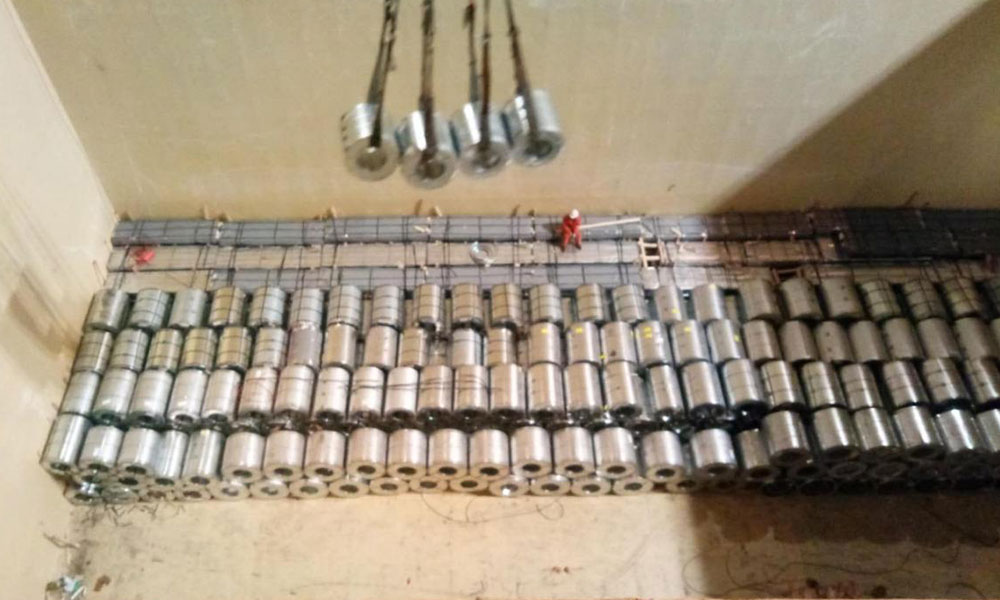
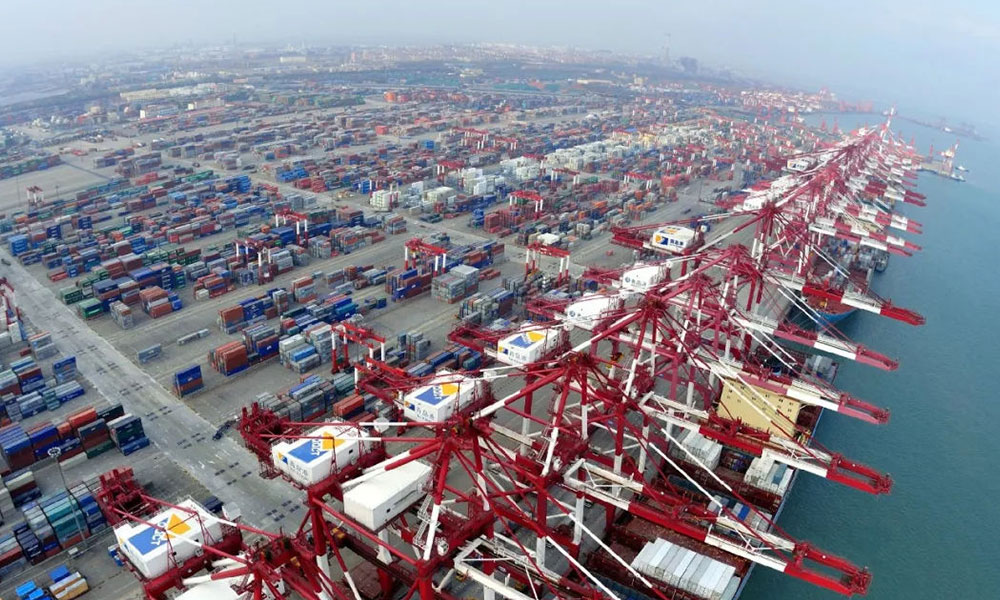
 Professional competenceHave professional customs declaration experience; steel import and export customs clearance and domestic and international waterway distribution, serving customers across the country, mainly stainless steel, aluminum alloy, and copper alloy
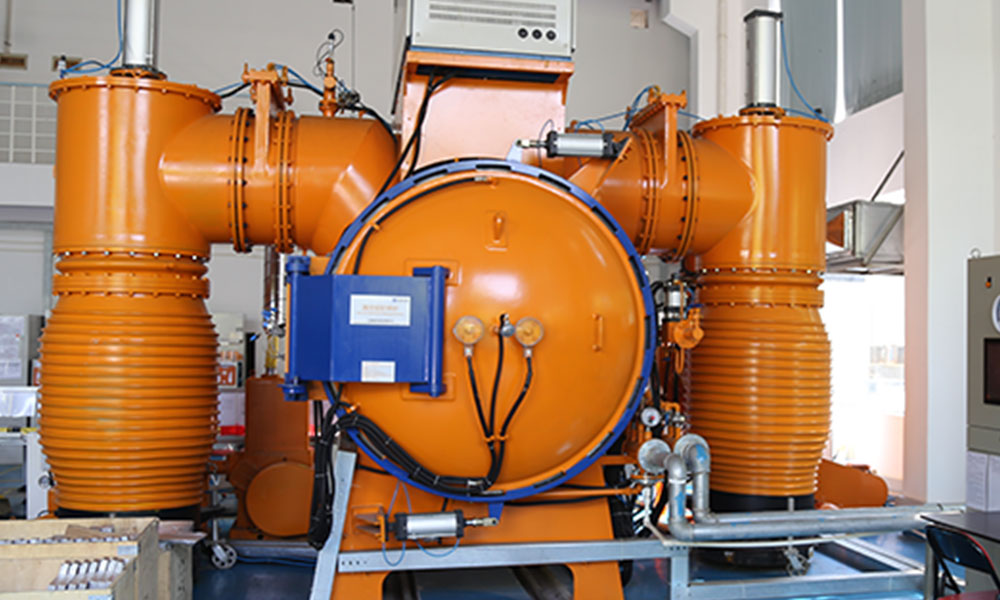
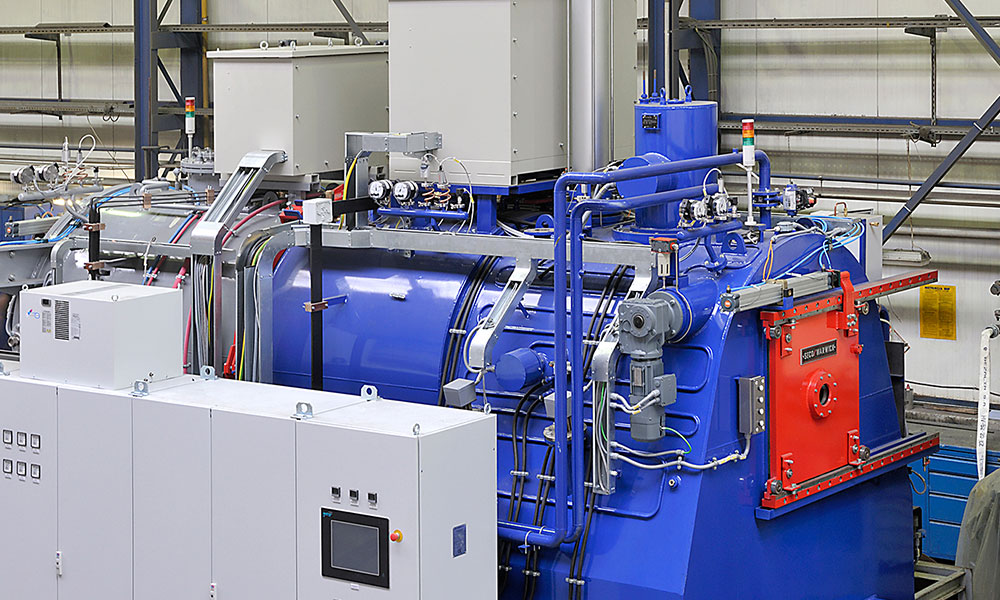
- High pressure vacuum quenching furnaceThe maximum operating temperature of the vacuum quenching furnace is 1300℃, the heating chamber is equipped with a convection fan, nitrogen convection heating below 850℃, vacuum radiation heating above 850℃, and the heating chamber temperature is ±2℃, which can effectively ensure the quenching effect.
- Laser CuttingIt is suitable for more complex and high-precision shape and contour materials, especially the cutting of thinner plates, so it is an ideal choice for processing high-end products.
- CapacityThe service ports have been radiated to Shanghai, Tianjin, Qingdao, Dalian, along the Yangtze River and other ports, and have their own branches and on-site operators at the above ports to ensure the safety and security of each shipment
- Fully automatic operationThe control program of the quenching furnace adopts IPSEN's professional heat treatment software IPSEN "VACU-PROF" multifunctional software. The process execution is fully automated and supports multi-point workpiece hot spot monitoring to ensure the effectiveness of the vacuum quenching process. All processes, curves and other historical records Can be checked at any time.
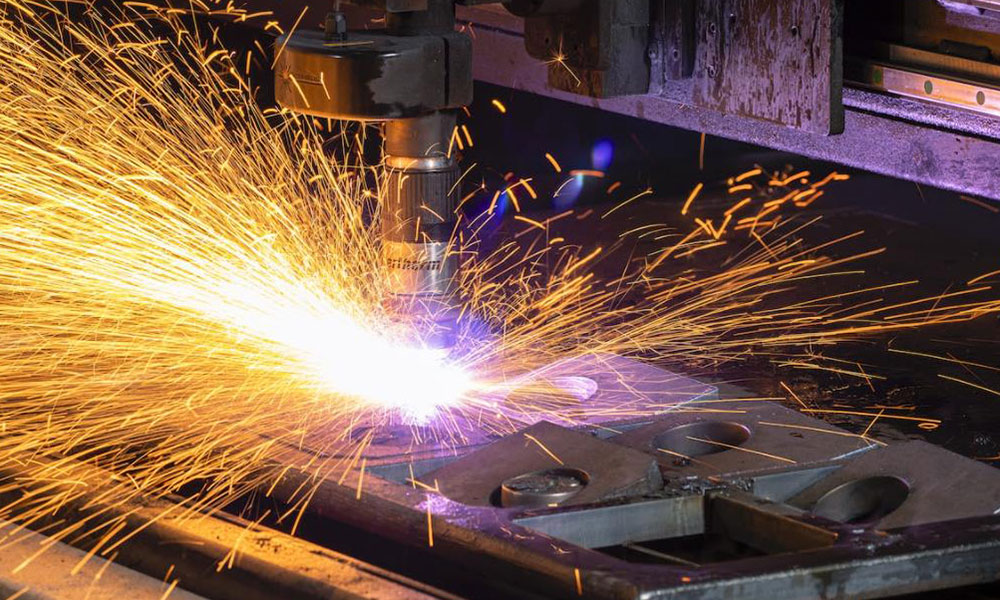
- Plasma CuttingThe working area can reach 3×5 meters, and it can cut stainless steel plates of various grades with a thickness of 3-150 mm. In most cases, the cutting needs to be performed underwater, so as to ensure the flatness and straightness of the final parts, while reducing the affected area.
Chat Online